How to Inspect Your Home for Mold Risks in Chatham
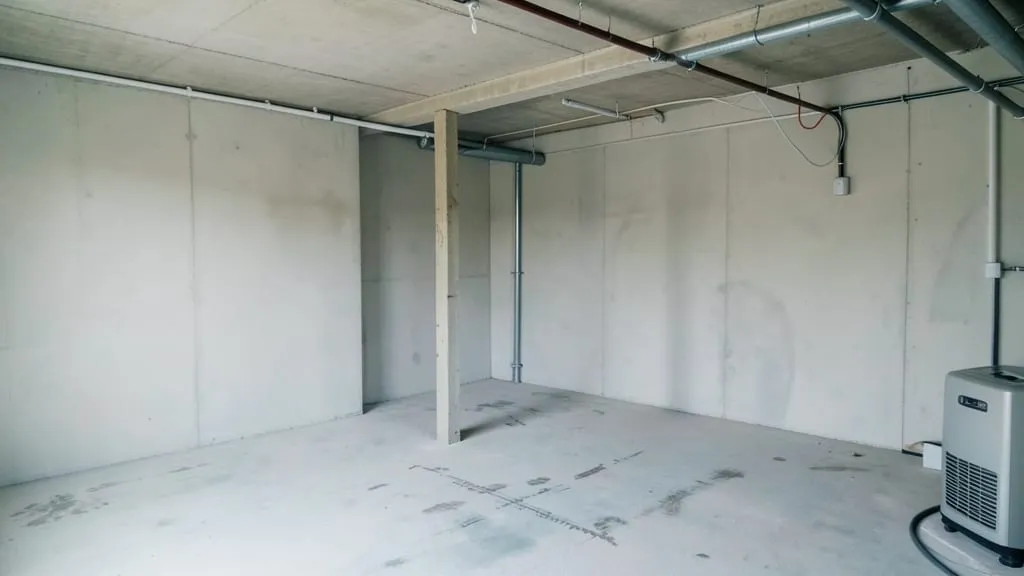
Mold thrives in damp, hidden spaces—especially in coastal homes like those in Chatham. Catching it early saves time, money, and your family’s health. We’ll walk you through a thorough inspection, from visible signs to hidden hotspots, so you know when to call our team for professional mold testing or remediation.
Why Mold Loves Coastal Homes Like Those in Chatham
The Cape’s humid summers and salty air create ideal conditions for mold growth. High indoor humidity, poor ventilation, and seasonal storms can introduce moisture that lingers unseen.
Basements, crawl spaces, and attics are prime targets, but mold can also colonize behind drywall, under flooring, or inside HVAC systems. Even small leaks from plumbing or roof damage can fuel rapid growth.
A persistent earthy or musty smell is often the first sign of hidden mold. If you notice it in Chatham, Harwich, or Orleans, assume mold is present until proven otherwise.
Tools You’ll Need for a DIY Mold Inspection
Start with a flashlight, moisture meter, and a boroscope (for tight spaces like inside walls or ductwork). A thermal imaging camera can reveal cold spots where condensation forms, but it’s not essential for a basic check.
Disposable gloves, an N95 respirator, and plastic sheeting help protect you from spores during inspection. Never disturb mold without proper precautions—some species release toxic mycotoxins when agitated.
Where to Look: High-Risk Areas in Your Home
Focus on areas with poor airflow or past water issues: basements, crawl spaces, attics, and bathrooms. In Chatham, older homes in West Chatham or Harwich Port often have vulnerable crawl spaces due to proximity to groundwater.
Check under sinks, around windows, and near appliances like washers or dishwashers. Don’t overlook HVAC systems—mold in ductwork can spread spores throughout your home.
Inspect exterior walls for staining or peeling paint, which can indicate moisture intrusion. Pay extra attention to north-facing walls, which stay damp longer after rain.
Top Mold Hotspots
- Basements and crawl spaces (especially in Dennis, Yarmouth, or Brewster)
- Attics with poor ventilation or roof leaks
- Bathrooms with inadequate exhaust fans
- Kitchens under sinks and behind refrigerators
- HVAC systems and ductwork
- Around windows, doors, and exterior walls
- Laundry rooms and utility closets
Visible vs. Hidden Mold: What to Watch For
Visible mold appears as black, green, white, or brown spots on surfaces. Black mold (Stachybotrys) often looks slimy and thrives on cellulose-rich materials like drywall or wood.
Hidden mold leaves clues: warped floors, bubbling paint, or discolored caulk. In attics, look for dark staining on wood or insulation. In basements, efflorescence (white mineral deposits) can signal moisture issues that lead to mold.
| Mold Type | Appearance | Common Locations |
|---|---|---|
| Aspergillus | Green, yellow, or white | Dusty areas, HVAC systems, basements |
| Cladosporium | Black or green, suede-like | Bathrooms, kitchens, windowsills |
| Stachybotrys (Black Mold) | Dark black, slimy | Drywall, insulation, wood (after water damage) |
| Penicillium | Blue or green, fuzzy | Water-damaged materials, carpets, wallpaper |
| Alternaria | Dark green or brown, velvety | Showers, basements, under sinks |
Moisture: The Root Cause of Mold Growth
Mold can’t grow without moisture. Use a moisture meter to check levels in walls, floors, and ceilings—anything above 15-20% is a red flag. In Chatham’s climate, even minor leaks or condensation can sustain colonies.
Dehumidifiers are critical in basements and crawl spaces. Aim for indoor humidity below 50% to deter growth. In areas like Eastham or Wellfleet, where fog and dampness are common, monitoring humidity year-round is key.
When to Call a Professional for Mold Testing
If you find mold covering more than 10 square feet, or if it’s in your HVAC system, call our team immediately. DIY removal can spread spores and worsen contamination.
Professional mold testing includes air quality sampling, surface testing, and sometimes ERMI or HERTSMI-2 tests to identify species and spore counts. This is especially important in older homes in Orleans or Brewster, where hidden mold may be widespread.
Always test before and after remediation to confirm the mold is gone. This ensures your Chatham home is safe and prevents regrowth.
Mold in Hard-to-Reach Places: Attics, Crawl Spaces, and Ducts
Attic mold often stems from roof leaks or poor ventilation. In Chatham, ice dams in winter can trap moisture, leading to mold on sheathing or insulation. A professional inspection with thermal imaging can pinpoint these issues.
Crawl spaces in homes near Harwich or Dennis are notorious for high humidity and standing water. Encapsulation and vapor barriers can prevent mold, but existing colonies require remediation.
HVAC mold is tricky—spores can spread through vents to every room. If you notice a musty smell when the system runs, schedule a duct inspection and cleaning.
Preventing Mold After Inspection
Fix leaks promptly, whether from roofs, pipes, or windows. In coastal areas like Chatham or Wellfleet, storm damage can introduce moisture that lingers for weeks.
Improve ventilation in bathrooms, kitchens, and laundry rooms with exhaust fans. Consider a whole-house dehumidifier for basements or crawl spaces in humid climates.
Use mold-resistant products like paperless drywall or moisture-resistant paint in high-risk areas. Regularly clean and inspect gutters and downspouts to direct water away from your foundation.
How to Conduct a Basic Mold Inspection
Follow these steps to identify potential mold risks in your home.
- 1Gather Your Tools
Equip yourself with a flashlight, moisture meter, respirator, gloves, and a notepad to document findings. A boroscope helps inspect tight spaces.
- 2Check for Visible Mold
Look for discoloration, spots, or staining on walls, ceilings, and floors. Pay attention to corners, baseboards, and around windows.
- 3Follow Your Nose
Musty odors often lead to hidden mold. Trace the smell to its source, even if it means checking behind furniture or inside closets.
- 4Inspect for Moisture
Use a moisture meter to test walls, floors, and ceilings. Note any readings above 15-20%. Check for condensation on pipes or windows.
- 5Examine High-Risk Areas
Focus on basements, attics, crawl spaces, bathrooms, and kitchens. In Chatham, prioritize areas prone to water intrusion, like near the foundation or under eaves.
- 6Document and Plan
Take photos and notes of any mold or moisture issues. If you find extensive mold or can’t locate the source, request a quote from our team for professional testing.
Frequently Asked Questions
How can I tell if the mold in my Chatham home is toxic?
Toxic mold, like Stachybotrys, is often black and slimy, but visual identification isn’t reliable. Professional mold testing analyzes samples to determine the species and toxicity. Never assume mold is harmless—some types can cause respiratory issues or allergies.
Is mold in my HVAC system a big deal?
Yes. Mold in ductwork can spread spores throughout your home, affecting air quality in every room. If you suspect HVAC mold, turn off the system and call our team for inspection and remediation.
Can I clean mold myself, or do I need a professional?
Small, surface-level mold (under 10 sq. ft.) on non-porous materials like tile can often be cleaned with detergent and water. For porous materials (drywall, insulation) or large infestations, professional remediation is safer and more effective.
Why is mold more common in Chatham than in other areas?
Chatham’s coastal climate—high humidity, frequent fog, and seasonal storms—creates perfect conditions for mold. Older homes in areas like West Chatham or Harwich may also have outdated ventilation or waterproofing, increasing the risk.
What’s the difference between mold testing and mold inspection?
A mold inspection is a visual and physical assessment of your home for signs of mold and moisture. Mold testing involves collecting air or surface samples to identify species and spore counts, often used to confirm hidden mold or after remediation.
How do I prevent mold in my basement or crawl space?
Control moisture with dehumidifiers, vapor barriers, and proper drainage. Ensure good airflow, and address any leaks or cracks in the foundation promptly. In areas like Dennis or Yarmouth, encapsulation can be a long-term solution.