How to Stop Mold Before It Starts in Chatham’s Coastal Climate
Chatham’s ocean air and seasonal swings create perfect conditions for mold. We’ve seen firsthand how unchecked moisture in basements, attics, and crawl spaces turns into costly remediation. Prevention starts with understanding what feeds mold—and stopping it at the source.
Why Chatham Homes Are Mold Magnets
Salt air holds more moisture, and the Cape’s frequent fog and coastal storms keep humidity elevated. Even well-built homes in West Chatham or Harwich Port can trap that moisture in walls, under floors, or above ceilings.
Older properties in Orleans or Brewster often lack modern vapor barriers, while newer builds may still suffer from poor ventilation in attics or crawl spaces. Without active control, spores take hold within 24–48 hours of water exposure.
Early Warning Signs You Can’t Ignore
Musty odors in basements or attics are the first red flag. Visible discoloration on drywall, wood, or insulation follows—often in corners, behind furniture, or near HVAC vents.
Peeling paint, warped trim, or condensation on windows signal excess moisture. In coastal areas like Eastham or Wellfleet, salt residue can mask early mold, so regular inspections are critical.
By the time you see mold, it’s already spread. Hidden colonies in ductwork or behind walls can affect air quality across your entire home.
Mold Hotspots in Cape Cod Homes
Basements and crawl spaces top the list, especially in low-lying areas like Dennis Port or South Yarmouth. Poor grading or cracked foundations let groundwater seep in, feeding mold on joists and subflooring.
Attics are next—ice dams in winter and inadequate ventilation in summer trap moisture. HVAC systems in Hyannis or Barnstable Town can also harbor mold if not maintained, circulating spores throughout the house.
| Area | Primary Cause | Secondary Risk |
|---|---|---|
| Basement | Groundwater intrusion, poor drainage | Wood rot, structural damage |
| Crawl Space | Missing vapor barrier, high humidity | Pest attraction, insulation failure |
| Attic | Poor ventilation, roof leaks | Ice dam formation, HVAC contamination |
| Bathrooms | Lack of exhaust fans, plumbing leaks | Drywall deterioration, tile grout mold |
| HVAC Ducts | Condensation, dirty filters | System-wide spore distribution |
Moisture Control: The Only Real Prevention
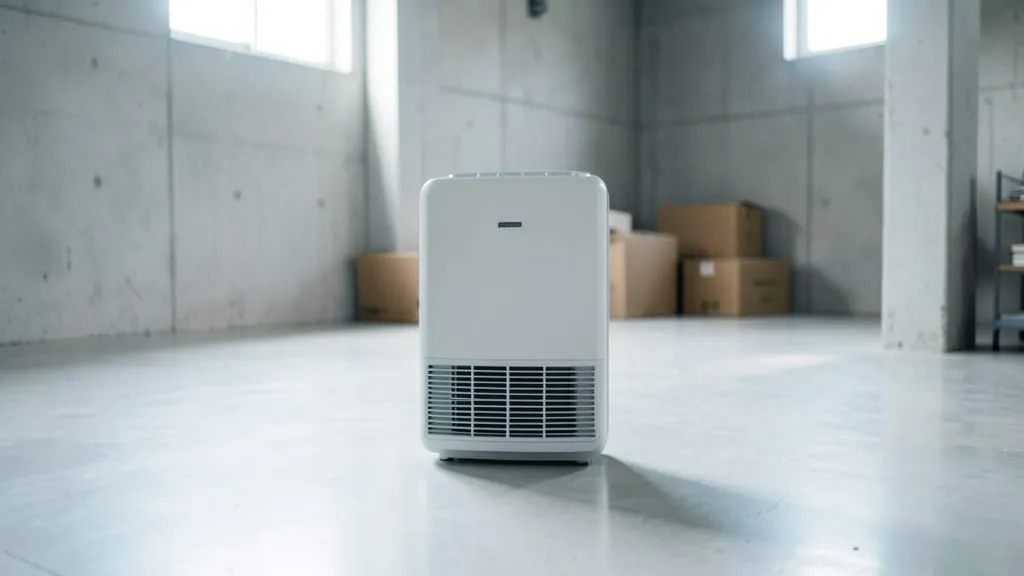
Dehumidifiers are non-negotiable in Chatham’s climate. Aim for 30–50% indoor humidity year-round. In basements, a dedicated unit with a drain line prevents overflows during power outages.
Vapor barriers in crawl spaces and encapsulation systems stop ground moisture from rising. In attics, ridge vents and soffit vents create airflow to expel humid air before it condenses.
Essential Moisture Controls
- Install a high-capacity dehumidifier with auto-drain
- Seal crawl space floors with a 10-mil vapor barrier
- Add attic ventilation (1 sq ft per 150 sq ft of ceiling)
- Grade soil away from the foundation (6 inches over 10 feet)
- Inspect and clean gutters and downspouts biannually
When DIY Isn’t Enough: Professional Solutions
If you’ve got active growth over 10 square feet, or mold in HVAC systems, it’s time for professional remediation. Our team uses HEPA filtration, negative air pressure, and antimicrobial treatments to ensure spores don’t spread during removal.
For homes in Truro or Wellfleet with chronic issues, we often recommend whole-house humidity monitoring systems. These alert you to spikes before mold can take hold.
Mold testing and air quality assessments identify hidden colonies and spore counts. This data guides targeted remediation—saving time and money compared to guesswork.
Seasonal Threats: From Nor’easters to Ice Dams
Fall and winter bring unique risks. Nor’easters can flood basements in Yarmouth Port or West Dennis, while ice dams in North Eastham or Harwich Center trap meltwater under roofing, soaking attic insulation.
Spring thaws reveal winter’s hidden damage. Summer’s humidity then accelerates growth. A proactive inspection schedule—especially after storms—catches issues early.
Long-Term Fixes for Coastal Living
Upgrades like French drains, sump pumps, and exterior waterproofing membranes provide lasting protection. In flood-prone areas like South Dennis or West Yarmouth, these systems are investments, not options.
Regular HVAC maintenance—including duct cleaning and filter changes—prevents mold from colonizing your air system. For older homes, asbestos testing before remediation ensures safety during repairs.
How to Inspect Your Home for Mold Risks
A thorough check takes 30 minutes and can save thousands in remediation costs.
- 1Check for Moisture
Use a moisture meter on walls, floors, and ceilings—especially near pipes, windows, and exterior walls. Readings above 15% indicate a problem.
- 2Inspect Hidden Areas
Pull back insulation in attics and basements. Look for staining, discoloration, or a musty smell behind drywall or under flooring.
- 3Test HVAC Components
Remove vent covers and shine a flashlight into ducts. Check drip pans and coils for standing water or black staining.
- 4Evaluate Ventilation
Ensure bathrooms, kitchens, and laundry rooms have working exhaust fans. Open attic hatches to verify airflow from soffit to ridge vents.
- 5Review Exterior Drainage
Walk the perimeter of your home. Look for pooling water, clogged gutters, or downspouts dumping near the foundation.
Frequently Asked Questions
Does homeowners insurance cover mold remediation in Chatham?
Coverage varies widely. Most policies exclude mold unless it’s a direct result of a covered peril, like a burst pipe. Flood-related mold typically requires separate flood insurance. Always request a quote from a local remediation expert to assess costs and documentation needs.
Can I use bleach to kill mold in my basement?
Bleach only removes surface mold on non-porous materials like tile or glass. On drywall, wood, or insulation, it doesn’t penetrate deep enough to kill roots. Professional remediation uses antimicrobial agents designed for porous surfaces and ensures spores don’t return.
How often should I run a dehumidifier in Chatham’s climate?
Year-round. Even in winter, indoor activities like cooking and showering add moisture. Set your dehumidifier to maintain 30–50% humidity, and empty or drain it regularly to prevent bacterial growth in the unit itself.
What’s the difference between mold testing and mold inspection?
An inspection is a visual and physical assessment of your property for signs of mold and moisture. Testing involves collecting air or surface samples to identify spore types and concentrations. Both are often needed for a complete picture—especially in older homes in areas like Harwich Center or Brewster.
Is attic mold more common in older or newer Chatham homes?
Both are at risk, but for different reasons. Older homes often lack proper ventilation, while newer, tightly sealed homes can trap moisture from daily activities. In either case, poor attic insulation or roof leaks accelerate growth.
Can mold in my crawl space affect my health?
Absolutely. Crawl space mold releases spores that rise into living areas through floor gaps, HVAC systems, or the stack effect. This can trigger allergies, respiratory issues, and other health problems—especially in homes with ductwork running through the crawl space.