What to Expect During a Professional Mold Inspection in Chatham
A professional mold inspection is the first critical step in protecting your home or business from hidden damage and health risks. Our team uses specialized tools and proven methods to uncover mold where it thrives—often unseen in walls, attics, or crawl spaces. Here’s exactly what to expect when we assess your property.
Why a Professional Mold Inspection Is Non-Negotiable
Mold isn’t just unsightly—it can compromise structural integrity and trigger allergies, respiratory issues, or worse. DIY tests often miss the source, while our inspections pinpoint the root cause, not just the symptoms.
Chatham’s coastal climate, with its high humidity and frequent storms, creates ideal conditions for mold growth in basements, crawl spaces, and even HVAC systems. Early detection saves time, money, and stress.
Touching or bleaching mold can release spores into the air, worsening contamination. Leave it to professionals with proper containment and PPE.
Pre-Inspection: What We Need From You
Before we arrive, clear access to attics, basements, crawl spaces, and any areas with past water damage or musty odors. Move stored items away from walls if possible.
Share details about recent leaks, flooding, or plumbing issues. Even a small, fixed leak can leave behind moisture that fuels mold growth in Harwich, Orleans, or nearby areas.
The Inspection Process: Tools and Techniques
We start with a visual assessment, using high-intensity lighting and boroscopes to inspect hidden spaces like inside walls or under flooring. Thermal imaging cameras help us detect moisture behind surfaces without invasive measures.
Moisture meters quantify the dampness in materials, while air and surface sampling collect specimens for lab analysis. This data tells us the type and concentration of mold spores present.
For properties in West Chatham or Dennis, where older homes are common, we may also check for asbestos during the inspection, as disturbing it requires specialized protocols.
| Tool | Purpose | Key Benefit |
|---|---|---|
| Thermal Imaging Camera | Detects temperature differences indicating moisture | Non-invasive, identifies hidden leaks |
| Moisture Meter | Measures moisture content in materials | Pinpoints water damage in drywall, wood, or concrete |
| Air Sampling Pump | Collects airborne spores for lab analysis | Identifies mold types and spore counts in indoor air |
| Boroscope | Inspects tight or enclosed spaces | Accesses wall cavities, ducts, and crawl spaces without demolition |
| Hygrometer | Measures relative humidity levels | Assesses overall moisture conditions in the environment |
Where We Look: Hotspots for Mold in Coastal Homes
Basements and crawl spaces top the list, especially in Chatham and neighboring areas like Brewster or Yarmouth, where groundwater and poor drainage are frequent issues.
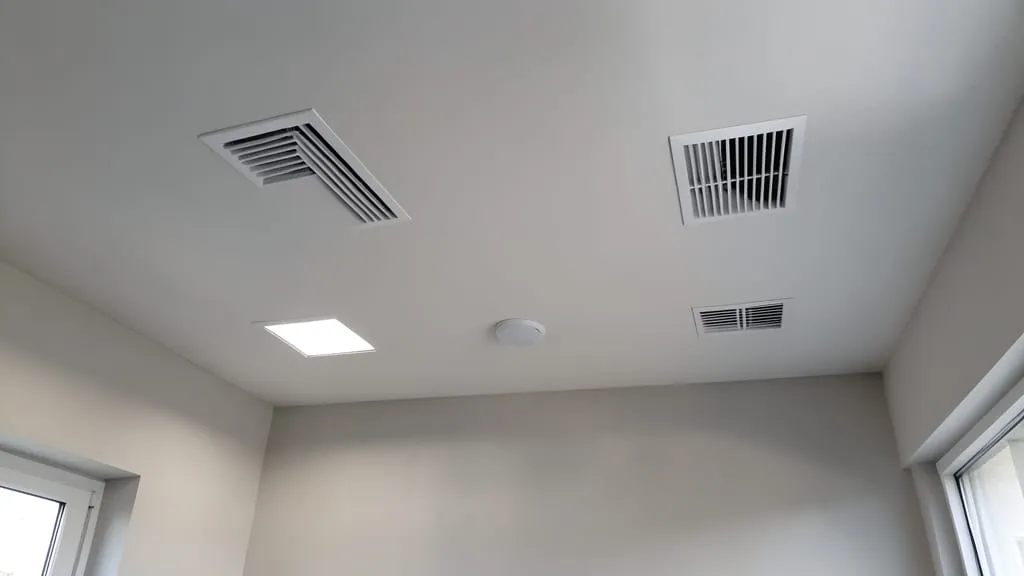
Attics often harbor mold due to roof leaks or inadequate ventilation. We also examine HVAC systems, as they can spread spores throughout your home if contaminated.
Bathrooms, kitchens, and laundry rooms are high-risk due to plumbing and appliance leaks. Even well-maintained homes in Orleans or Eastham can develop hidden mold behind tile or under sinks.
Air and Surface Sampling: What the Lab Tells Us
Air samples capture spores suspended in the environment, while surface samples (swabs or tape lifts) target visible mold or suspected growth areas. Both are sent to an accredited lab for analysis.
Results reveal the genus and species of mold, such as *Stachybotrys* (black mold) or *Aspergillus*, along with spore counts. We compare these to outdoor baseline levels to assess indoor contamination.
In commercial properties or larger homes in Hyannis or Truro, we may take multiple samples to map the extent of the issue.
Not all mold is toxic, but elevated spore counts or certain species may require remediation. We interpret the data and explain next steps in plain terms.
The Inspection Report: Your Roadmap to Action
Our detailed report includes photos, moisture readings, lab results, and a map of affected areas. We categorize findings by severity and urgency, so you know what needs immediate attention.
The report also outlines potential causes, such as poor ventilation in attics or water intrusion in basements. This helps prevent recurrence after remediation in areas like South Dennis or Wellfleet.
For commercial clients, we provide documentation that meets insurance or regulatory requirements, ensuring compliance and peace of mind.
What Your Inspection Report Includes
- Visual evidence of mold and moisture damage
- Moisture readings from affected materials
- Lab analysis of air and surface samples
- Severity assessment and prioritized recommendations
- Photos and annotations of problem areas
- Guidance on next steps (testing, remediation, or prevention)
Next Steps: From Inspection to Remediation
If mold is confirmed, we’ll discuss remediation options tailored to your property. This might involve containment, HEPA filtration, and targeted removal of affected materials in Chatham or surrounding towns.
For water damage, we often coordinate with our water damage restoration team to address the root cause before mold returns. Prevention strategies, like dehumidifiers or improved ventilation, may also be recommended.
In cases involving asbestos or extensive contamination, we follow strict EPA and Massachusetts guidelines to ensure safe, thorough cleanup.
Preventing Future Mold Growth in Coastal Climates
Controlling moisture is key. In Chatham’s humid summers, dehumidifiers and proper ventilation in basements and crawl spaces can make a big difference. Regular HVAC maintenance also prevents spore circulation.
Address leaks promptly, and ensure gutters and downspouts direct water away from your foundation. Even small fixes can prevent major issues in neighborhoods like West Chatham or Harwich Port.
For older homes in Barnstable or Dennis, consider a moisture audit as part of routine maintenance. Prevention is always cheaper than remediation.
How to Prepare for a Mold Inspection
A little prep ensures a thorough and efficient inspection.
- 1Clear Access Points
Move furniture, stored items, or debris away from walls, attics, basements, and crawl spaces. Ensure our team can reach every corner.
- 2Note Problem Areas
Make a list of any musty odors, water stains, or past leaks. Share this with us to focus the inspection.
- 3Secure Pets and Children
Keep pets and kids out of the inspection areas for safety and to avoid disturbing the process.
- 4Turn Off HVAC Systems
If possible, turn off heating or cooling systems 1–2 hours before the inspection to get accurate air samples.
- 5Provide Documentation
Have records of past water damage, repairs, or insurance claims ready. This helps us understand the history of the property.
Frequently Asked Questions
How long does a professional mold inspection take in Chatham?
Most residential inspections take 2–4 hours, depending on the size of the property and the number of areas we need to assess. Larger homes or commercial buildings in Hyannis or Orleans may require more time.
Will the inspection damage my home?
Our inspections are minimally invasive. We use non-destructive tools like thermal imaging and boroscopes whenever possible. In rare cases, we may need to remove a small section of drywall or flooring for sampling, but we always get your approval first.
Can I stay in my home during the inspection?
Yes, you can remain in the home. However, we recommend staying out of the areas being inspected to avoid disturbing the process, especially if air sampling is involved.
What’s the difference between mold testing and a mold inspection?
Mold testing typically refers to collecting air or surface samples for lab analysis. A full inspection includes testing but also a visual assessment, moisture mapping, and a detailed report with recommendations for remediation or prevention.
Do I need a mold inspection if I don’t see mold?
Absolutely. Mold often grows in hidden areas like behind walls, under flooring, or in HVAC systems. If you smell a musty odor or have a history of water damage—common in Chatham or nearby areas like Eastham or Wellfleet—an inspection can uncover hidden issues.
How much does a mold inspection cost?
Costs vary based on the size of the property, the number of samples taken, and the complexity of the inspection. Factors like crawl space access, attic conditions, or the need for asbestos testing also play a role. Request a quote for an accurate estimate.